Know the Health Risks Before You Commit

Why visceral fat regain after GLP-1 treatment could leave you worse off.
Executive summary
The health risk after GLP-1 withdrawal is not simply that the pounds return. It is that abdominal fat and cardiometabolic risk can return while lost lean tissue and physical capacity remain incompletely recovered. In the SURMOUNT-4 withdrawal analysis, greater weight regain was accompanied by larger increases in waist size, blood pressure and adverse metabolic measures. Returning to the same weight is therefore not the same as returning to the same health.
Semaglutide cut visceral fat by 27 percent over 68 weeks, and tirzepatide cut it by 40 percent over 72 weeks. Roughly 25 to 40 percent of the weight lost on these drugs is lean mass, including muscle. After stopping, people regain about 60 to 67 percent of lost weight within one year. Blood pressure, cholesterol and blood sugar improvements largely revert as weight returns. About half of users stop within one year, and about seven in ten within two years.
Weight loss can produce persistent changes in appetite-regulating hormones and greater hunger. Stopping an appetite-suppressing medication removes one means of controlling that pressure. Energy expenditure can remain below that predicted from body size after major weight loss. The unusually large deficit measured in The Biggest Loser cohort illustrates this mechanism, not an expected calorie deficit for every GLP-1 patient. Fat cells stay in place, ready to refill. Adults keep the same number of fat cells after weight loss, and those cells retain a molecular memory of obesity. Restoring muscle requires adequate nutrition and physical loading, and recovery can be more difficult with advancing age. The body refills fat first. In the classic Minnesota experiment, fat recovered ahead of lean tissue and overshot its starting level.
Treat a GLP-1 as a likely long-term commitment, not a short course. Anyone starting one should plan for how they will protect muscle while on it and what happens if they come off.
Background
GLP-1 drugs cause weight loss mainly by suppressing appetite and slowing digestion, so people eat less. The main drugs are semaglutide, sold as Ozempic and Wegovy, and tirzepatide, sold as Mounjaro and Zepbound, which also acts on a second hormone, GIP. In trials they cut body weight by roughly 15 to 21 percent over about 18 months.
Visceral fat is stored within the abdomen around internal organs, unlike subcutaneous fat beneath the skin. Abdominal and visceral adiposity carry cardiovascular and metabolic risk that BMI alone does not capture. The location of fat, the metabolic changes accompanying it and the patient's physical function are therefore essential to evaluating whether weight loss has produced a durable health improvement.
The effect depends on continued use, and most people do not stay on them. In a study of 125,474 US adults, 53.6 percent stopped within one year and 72.2 percent within two years. Among people without diabetes, 64.8 percent stopped within a year. Cost, insurance denials and side effects drive most stopping. That makes what happens when you stop the real-world default, not an edge case.
Why visceral fat regain is a health risk, not a cosmetic setback
Visceral adiposity is part of a biologically active disease process. Obesity-related inflammatory signaling and oxidative stress contribute to atherosclerosis, while insulin resistance, abnormal blood lipids and hypertension help connect excess adiposity to coronary disease. When abdominal fat and those abnormalities return, the patient is losing protection against metabolic and cardiovascular disease, not merely losing a clothing-size advantage.
Fat distribution is particularly important because a familiar BMI can conceal an unfavorable internal pattern. The American Heart Association's scientific framework emphasizes abdominal adiposity beyond BMI, with CT or MRI measurements of visceral and ectopic fat providing additional information about metabolic and cardiovascular risk. Waist circumference is a practical screening measure. Imaging is a more direct assessment when clinically appropriate.
The second part of the problem is the tissue that does not necessarily return with the fat. In older adults, weight loss followed by fat-heavy regain can leave lean tissue incompletely restored, while low muscle capacity and excess adiposity are associated with impaired function and mobility. If abdominal fat and insulin resistance return before strength recovers, the patient can face both renewed metabolic risk and less physical capacity. This combination, rather than weight regain alone, is the more serious clinical concern.
The argument is not that regained fat automatically becomes more toxic per kilogram. It is that a more adverse fat distribution, renewed metabolic abnormalities and incomplete functional recovery can coexist. A scale cannot determine whether that has happened. Waist trajectory, blood pressure, glucose, lipids, body composition and physical function must be considered together.
While on treatment: fat loss and lean-tissue loss
Both leading drugs cut visceral fat more sharply than overall fat. But a meaningful share of every kilogram lost is lean mass, which includes muscle. DXA body-composition scans from the two pivotal trials show the pattern.
Semaglutide. In the STEP 1 DXA substudy of 140 participants, semaglutide 2.4 mg over 68 weeks reduced body weight by approximately 15 percent, total fat mass by 19.3 percent, visceral fat by 27.4 percent and total lean mass by 9.7 percent. Approximately 40 percent of the weight lost was lean mass.
Tirzepatide. In the SURMOUNT-1 DXA substudy of 160 participants, tirzepatide at 5 to 15 mg over 72 weeks reduced body weight by 21.3 percent, total fat mass by 33.9 percent, visceral fat by 40.1 percent and total lean mass by 10.9 percent. Approximately 25 percent of the weight lost was lean mass.
Because fat falls faster than lean mass, the proportion of the body that is lean improves while people stay on the drug. Semaglutide users saw their lean share rise by 3 percentage points. Tirzepatide users lost the same 75 to 25 fat-to-lean mix as the placebo group, which does not suggest an unusually high lean-tissue share of weight loss in that comparison.
An improved ratio can coexist with a substantial absolute reduction in lean tissue. Tirzepatide participants lost about 5.6 kg of lean mass on average, although this is not equivalent to 5.6 kg of skeletal muscle. The practical concern is whether nutritional intake, strength and physical function are being preserved as weight falls.
After stopping: most of the weight returns, fast
Every controlled study of stopping shows the same pattern: rapid regain in the first months, slowing later. On average people regain 60 to 67 percent of their lost weight within one year.
STEP 1 extension. Wilding and colleagues, writing in Diabetes, Obesity and Metabolism in 2022, followed 327 people for 52 weeks after 68 weeks on semaglutide. Participants had lost 17.3 percent of body weight, then regained 11.6 percentage points, approximately two-thirds of the loss. The remaining net loss was 5.6 percent.
SURMOUNT-4. Aronne and colleagues, in JAMA in 2024, randomized 670 people to continue tirzepatide or switch to placebo after 36 weeks. Over the following 52 weeks, those switched to placebo gained 14 percent from their withdrawal weight, while those continuing treatment lost another 5.5 percent.
SURMOUNT-4 post hoc. Horn and colleagues, in JAMA Internal Medicine in 2025, examined 308 people who stopped tirzepatide. Within one year, 82 percent had regained more than one-quarter of the weight they had lost.
The BMJ meta-analysis. West and colleagues, in The BMJ in 2026, analyzed 37 studies with 9,341 participants. For semaglutide and tirzepatide, it estimated regain at 0.8 kg per month and projected a return to starting weight in about 1.5 years.
The eClinicalMedicine analysis. Budini and colleagues, in 2026, analyzed six trials with 3,236 participants. It estimated that 60 percent of lost weight returned at one year and projected a plateau at approximately 75 percent regained. The differing longer-term projections illustrate the uncertainty beyond observed follow-up.
Abdominal size increases with regain. In the SURMOUNT-4 withdrawal analysis, participants regaining at least 75 percent of their lost weight added an average 14.7 cm to waist circumference, compared with 0.8 cm among those regaining less than 25 percent. Waist is a useful marker of abdominal adiposity, but it does not directly distinguish visceral from subcutaneous fat, and this withdrawal study did not measure body composition.
Regain is faster than after diet alone. The BMJ meta-analysis found weight returns almost four times faster after stopping medication than after ending a diet-and-exercise program. Weight after behavioral programs took about 3.9 years to return to baseline, against 1.7 years after medication. The physiological discussion below offers one explanation: the drug was holding back a hunger drive that never went away.
When regain restores blood-pressure, glucose and lipid risk
The clinical concern is the return of disease risk, not simply disappointment with the scale. After withdrawal, greater regain is associated with deterioration in blood pressure, glucose regulation and atherogenic lipid measures. These changes can re-establish the metabolic conditions treatment was intended to improve.
In the STEP 1 extension, improvements in most cardiometabolic measures had drifted back toward baseline one year after stopping. In SURMOUNT-4, the more weight people regained, the more their blood pressure, cholesterol, HbA1c and fasting insulin worsened. Across weight-management medications, the BMJ meta-analysis projected HbA1c, glucose, blood pressure and lipids return to pre-treatment levels within about 1.4 years of stopping. After behavioral programs, benefits lasted around five years.
The STEP 1 authors concluded that obesity is a chronic condition and that ongoing treatment is needed to keep the improvements. In practical terms, these drugs behave more like blood-pressure pills than a course of antibiotics: maintaining the full benefit often requires ongoing treatment.
How much health improvement can be lost?
SURMOUNT-4 provides a concrete example. Among participants who regained at least 75 percent of the weight lost during tirzepatide treatment, the subsequent 52 weeks brought average increases of 14.7 cm in waist circumference, 10.4 mm Hg in systolic blood pressure, 0.35 percentage points in HbA1c and 10.8 percent in non-HDL cholesterol, measured from the end of active treatment. These are clinically relevant changes in abdominal size, blood-pressure burden, glucose regulation and atherogenic cholesterol, not simply a change in appearance.
In that highest-regain group, many metabolic improvements were no longer significantly different from pretreatment values, although waist circumference and HbA1c remained improved. The direct lesson is that substantial regain can erase much of the health benefit. The study does not establish that visceral-fat volume or clinical cardiovascular-event risk rose above baseline.
Can health markers become worse than before weight loss?
There is human evidence that this can happen in some settings. Beavers and colleagues followed 80 overweight or obese postmenopausal women after a five-month diet-based weight-loss intervention, and 58 regained at least 2 kg during follow-up. In the regain group, adjusted mean total cholesterol rose from 199.7 mg/dL before weight loss to 205.8 mg/dL at follow-up, and LDL cholesterol rose from 122.7 to 128.4 mg/dL. Fasting insulin and the study's insulin-resistance estimate also exceeded baseline means, even though the regainers still weighed less on average than before the intervention.
This study did not involve GLP-1 withdrawal, did not directly measure visceral fat and did not randomize participants to regain weight. Its importance is more specific: a lower body weight does not guarantee that every metabolic risk marker remains better. Combined with the GLP-1 withdrawal findings and the possibility of incomplete lean-tissue recovery, it supports taking the worse-off scenario seriously without assuming that every patient will experience it.
Why the weight comes back as fat
Regain after a GLP-1 is not a new problem created by the drugs. It is the same defense system the body mounts after any large weight loss, and physiologists have studied it for more than 75 years. The following mechanisms help explain why fat restoration can outpace recovery of lean tissue.
Hunger returns, and it was never gone
GLP-1 drugs work by imitating a fullness hormone. Underneath that signal, weight loss itself triggers a powerful hunger response. In a New England Journal of Medicine study of 50 adults who lost an average of 13.5 kg, leptin, the hormone that tells the brain fat stores are adequate, was still 35 percent below baseline a year later. Ghrelin, the main hunger hormone, stayed elevated, and participants reported more hunger than before they started. The authors concluded that relapse "has a strong physiological basis" and is not simply a matter of people voluntarily resuming old habits.
GLP-1 treatment helps restrain appetite while it is being used. Withdrawal removes that support, potentially exposing a persistent drive to eat after weight loss. This is one plausible contributor to rapid regain, although cross-study differences do not isolate appetite as the sole cause.
Metabolism stays turned down
Weight loss reduces energy requirements, and in some settings expenditure remains below that predicted from the smaller body size even after substantial regain. NIH researchers measured contestants from The Biggest Loser six years after the competition. Most had regained the majority of their weight, yet resting metabolic rate was still about 700 calories a day below baseline, and about 500 calories below what their body size predicted. More hunger combined with fewer calories burned produces a steady energy surplus, and the body routes surplus energy to its fastest storage tissue: fat.
Fat cells wait, empty and ready
Fat tissue does not disappear when weight falls. It shrinks. Using carbon-14 dating of cell DNA, Karolinska Institute researchers showed that the number of fat cells in adults stays constant even after major weight loss, including after bariatric surgery. A shrunken fat cell is built to refill. After weight loss, activity of adipose lipoprotein lipase, the enzyme that pulls fat out of the blood and into fat cells, rises above its already elevated obese level and stays there until the weight returns.
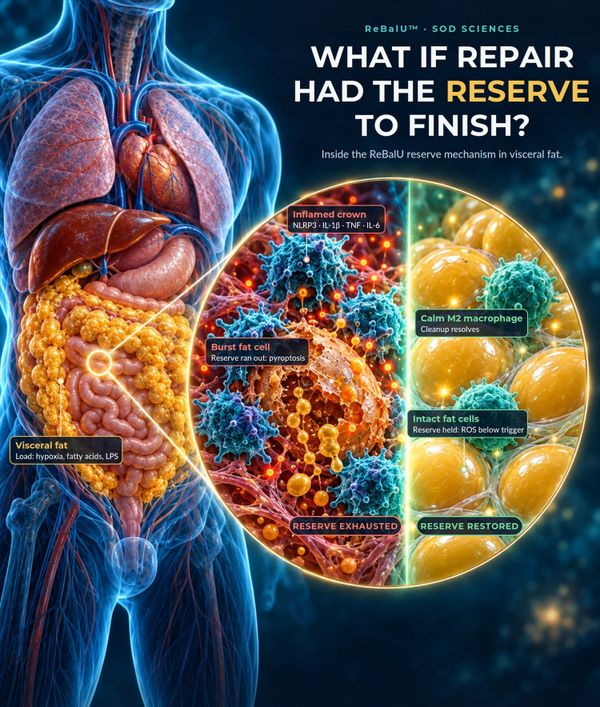
The fat cells also remember. In 2024, ETH Zurich researchers found that human fat tissue still carried obesity-linked gene activity two years after bariatric surgery. In mice, the same memory was written into the cells' epigenome, and mice carrying it regained weight faster when food was plentiful. The capacity to store fat is preserved and waiting. Muscle has no equivalent automatic refill pathway.
Muscle only comes back when it is made to
Muscle is expensive tissue. The body rebuilds it in response to mechanical load and protein, not simply because calories are available. With age, that response weakens, a condition called anabolic resistance. Older adults lose muscle three to six times faster during inactivity and are unable to recover it as fully or as quickly. Even with targeted rehabilitation and resistance training, older people take longer to regain lost muscle or fail to regain it fully. If energy intake rises after withdrawal without an adequate stimulus for muscle recovery, the conditions favor fat-heavy rather than function-restoring regain.
The body refills fat first, then overshoots
The clearest human demonstration comes from the Minnesota Starvation Experiment of 1944 and 1945. Thirty-two healthy men lost about 25 percent of body weight, including 70 percent of their fat and 27 percent of their fat-free mass. When they were refed, fat came back first. Hunger did not stop when fat was restored. It continued until lean tissue was rebuilt. By the end of refeeding, the men carried more fat than when they began. Physiologist Abdul Dulloo calls this "collateral fattening": the body overeats to restore lost lean tissue and stores the surplus as fat along the way. The same fat-first sequence has been recorded in famine survivors, patients recovering from illness and soldiers after training-related weight loss.
The overshoot is largest in people who start leaner, a point worth noting as GLP-1s spread to people with less weight to lose. But the fat-first pattern also holds in people with obesity. Of the weight Biggest Loser contestants regained over six years, about 86 percent was fat. In older women who dieted and then regained, 73 percent of the regained weight was fat.
The GLP-1 evidence fits the model
When researchers tested drug cycling directly, the result matched the physiology. University of Pennsylvania researchers cycled obese mice on and off semaglutide. Each break produced rapid regain, and each restart worked less well. After three cycles, the mice weighed about 20 percent more than continuously treated mice, even after 62 days of uninterrupted treatment. They carried more total and percentage fat, enlarged fat cells, higher leptin and worse glucose tolerance, and a second cohort reproduced the findings. The researchers proposed a "muscle floor": once muscle falls low enough, the body resists further weight loss.
Human weight-cycling research without drugs shows the same lopsided pattern.
Older women who dieted for five months. About 32 percent of the weight lost was lean tissue. Of the weight later regained, about 27 percent was lean tissue and 73 percent was fat.
Adults aged 65 to 79 on diet plus strength training. The 18 months afterwards brought back fat but not lean mass, and thigh muscle volume actually fell.
2,163 adults aged 70 to 79. More lean mass was lost during weight loss than was regained during weight gain, especially in men. The authors concluded that weight cycling could speed up age-related muscle loss.
The Cambridge team behind the 2026 regain meta-analysis reached the same conclusion: if regained weight is disproportionately fat, people could end up with a worse fat-to-lean ratio than before treatment.
How the same weight can conceal a less favorable body
The following calculations illustrate total fat and lean tissue, not visceral-fat volume. A higher body-fat percentage does not identify which fat depot increased or quantify a change in heart-attack risk. Their purpose is to show why returning to the original weight need not restore the original body composition.
The mechanisms reduce to one rule. If lean tissue makes up a larger share of the weight lost than of the weight regained, the cycle leaves the body with less lean tissue and proportionally more fat. On GLP-1s, lean mass is about 25 to 40 percent of the loss. In human regain studies, it is roughly 0 to 27 percent of the regain.
The following scenarios apply those figures to an illustrative patient who starts at 100 kg with 45 percent body fat, meaning 45 kg of fat and 55 kg of lean tissue. Losses follow the DXA results in the on-treatment studies above. Regain is set at 75 percent of the loss, the projected long-term plateau, or 100 percent, the projected return to starting weight. Regain composition is either 73 percent fat, as in the DEMO study, or all fat, as in the older adults in the Chmelo study.
Semaglutide, 73 percent of regain as fat. If 75 percent of lost weight returns, modeled body fat reaches 45.6 percent and lean mass remains 2.5 kg below baseline. With full regain, body fat reaches 46.5 percent and lean mass remains 1.5 kg below baseline.
Semaglutide, all regain as fat. Body fat reaches 48.5 percent with 75 percent regain and 50.3 percent with full regain. In both cases, lean mass remains 5.3 kg below baseline.
Tirzepatide, 73 percent of regain as fat. 75 percent regain produces 43.7 percent body fat and a 1.7 kg lean-mass deficit. Full regain produces 45.3 percent body fat and a 0.3 kg lean-mass deficit.
Tirzepatide, all regain as fat. Body fat reaches 48.2 percent after 75 percent regain and 51.0 percent after full regain. Lean mass remains 6.0 kg below baseline in both cases.
Lean mass ends below its starting level in all eight modeled scenarios, and body-fat percentage ends above baseline in seven. The exception is the tirzepatide scenario with 75 percent regain and 73 percent of regained weight as fat, which still leaves lower lean mass. These results follow the selected inputs. They do not establish that every patient or every subsequent treatment cycle will follow the same course.
These are modeled outcomes built from published loss and regain data, not measurements of individual patients. They show the direction the physiology pushes, and how quickly the balance tips once regain favors fat.
What the evidence does and does not establish
Weight regain and visceral-fat regain are not interchangeable. In a 2026 MRI follow-up of two lifestyle trials, abdominal fat depots remained below baseline despite complete average weight regain, and maintaining visceral-fat reduction was associated with more favorable cardiometabolic outcomes. This was not a GLP-1 withdrawal trial, but it reinforces the central point: where fat returns matters more than the scale alone, and a worse outcome is a possibility to prevent rather than an inevitable consequence of regaining weight.
The evidence supports serious attention to regain and tissue recovery, but several distinctions affect the size and interpretation of the risk. A credible decision should account for them rather than treat a mechanistic model as an individual forecast.
Not everyone regains everything. The Cambridge model projects people keep about a quarter of their loss long term, and in SURMOUNT-4, 46 percent of people who stopped tirzepatide still kept more than 10 percent off. Partial regain can still be fat-heavy, and the scenarios assuming 75 percent regain show the ratio can worsen well before weight returns to baseline.
Real-world regain looks smaller than in trials. A Cleveland Clinic study of 7,938 patients found people treated for obesity regained just 0.5 percent of body weight a year after stopping. Many restarted, switched drugs or changed habits, and 45 percent held or kept losing weight. That supports the case for staying on treatment or replacing it with something. It does not show that stopping outright is safe.
Lean-mass loss on treatment may be no worse than dieting. Tirzepatide and placebo groups lost the same fat-to-lean mix in SURMOUNT-1. That means the drug is not uniquely damaging. Frequent discontinuation makes the composition of subsequent regain an important practical concern.
Measurement limits. DXA lean mass includes water, organs and connective tissue, so it may overstate true muscle loss. The mouse study used a short on-off schedule unlike typical human use, and withdrawal conditions and continuing lifestyle support differed between trials. The approximately one-year withdrawal observations summarized here should be distinguished from longer-term projections.
The strongest direct GLP-1 withdrawal evidence establishes regain and deterioration of risk markers, not an inevitable overshoot of visceral fat or cardiovascular events above pretreatment levels. The more adverse scenario described here combines that observed deterioration with the possibility of incomplete lean-tissue and functional recovery. That is the risk to anticipate, rather than a forecast that applies to every patient.
Who is most at risk. Older adults, who lose muscle more easily and regain it less; people who did no strength training while on the drug; and people who stop and restart repeatedly.
Know the risks before the first dose
Start a GLP-1 only with a plan for both staying on it and coming off it. Work through these with your doctor before the first dose.
Questions to settle first
Before starting, discuss whether the treatment can be sustained financially for years rather than months, including the durability of insurance coverage. Establish what will happen if cost, adverse effects, pregnancy or surgery requires a change. Review age, existing low muscle mass and physical function, and ask whether a maintenance strategy could be preferable to stopping outright.
Steps that protect you while on the drug
Consider baseline body-composition assessment, interpreted alongside strength and function. Begin resistance training suited to capacity, prioritize protein at meals and agree on an individualized target with a clinician or dietitian. Repeat assessment according to clinical need, and use the treatment period to establish eating and exercise habits that can continue after medication.
If you do stop
If treatment stops, plan the transition with the prescribing clinician. Continue resistance and aerobic exercise, track weight and waist regularly, and respond early to a sustained regain trajectory. Avoid unplanned repeated interruptions where possible, while recognizing that a clinically necessary medication change is different from unsupervised cycling.
The health decision before treatment
GLP-1 therapies are effective tools for substantial weight and visceral-fat reduction, but their benefits require a maintenance strategy. Withdrawal studies show substantial average regain and loss of metabolic improvements, while real-world discontinuation is common. Neither the treatment decision nor the plan for stopping should be reduced to a target weight.
The dangerous endpoint is not merely regained weight. It is renewed abdominal adiposity and worsening metabolic control in a person whose strength and lean tissue have not recovered. General weight-regain research shows that some metabolic markers can exceed baseline even while body weight remains below it, although that result has not been established as the typical outcome after GLP-1 withdrawal. Know the health risks before committing: protect muscle and function, track waist and metabolic health, and establish a maintenance plan before treatment begins.
Protecting visceral-fat loss is a specific maintenance goal
Exercise can help separate weight regain from visceral-fat regain. In Hunter and colleagues' follow-up of women after diet-induced weight loss, those adhering to aerobic or resistance exercise had essentially no regain of CT-measured visceral fat over the following year, compared with approximately 25 percent in the no-exercise group, measured from the post-weight-loss level. The adherence comparison was not itself randomized and was not a GLP-1 study, but it provides direct imaging evidence that preserving visceral-fat loss is a meaningful maintenance target, not simply another way of describing lower body weight.
A supporting protocol during treatment and after withdrawal
Knowing the health risks should lead to a plan, not simply a warning. The treatment period is an opportunity to establish the nutritional, physical and metabolic support that will remain in place when the prescription changes. The goal is to preserve the health improvement, with particular attention to abdominal fat, metabolic control and physical function, rather than treating a lower scale weight as the only measure of success.
The ReBalU framework described in How ReBaLancing Your Antioxidant System Is Key to Life! combines D-tagatose, Fibersol-2 resistant maltodextrin, high-methoxy pectin and algal DHA with baseline assessment and repeat testing. The scientific rationale connects intestinal fermentation, gut-barrier function, endogenous antioxidant defenses and the resolution of inflammation. The book develops that argument in its ingredient chapters on pages 44 to 69 and its obesity chapter on pages 129 to 136, with the practical test, treat, retest framework on pages 38 to 42 and 199 to 208.
The evidence is more substantial than a general statement that fiber and omega-3 fats are healthy. Human trials have measured changes in satiety hormones, fermentation and glycemic control, while cellular and animal experiments have tested the biological pathways that connect those changes to metabolic function. Those results explain the choice of ingredients and the rationale for combining them.
SOD2 connects intestinal redox control to metabolic disease
One of the book's most important studies is Garcia-Irigoyen and colleagues' paper, Enterocyte superoxide dismutase 2 deletion drives obesity, published in iScience. The investigators deleted SOD2 specifically in the intestinal epithelium of male mice and observed spontaneous obesity despite no difference in food intake. At eight months, the mice weighed 41.71 g compared with 34.13 g in controls, a difference of approximately 22 percent.
The experiment identified a pathway rather than simply an association with body weight. Intestinal SOD2 deficiency increased phospholipase A2 activity and arachidonic-acid release, accompanied by inflammatory changes, increased expression of fat-synthesis genes and greater adipose accumulation. The same paper examined colon gene expression in 42 people and found that lower intestinal SOD2 expression was associated with higher BMI.
The scientific significance is that intestinal antioxidant defense participates in the regulation of metabolism, not only in protection from local tissue damage. This supports the book's focus on the gut and endogenous redox systems as relevant targets for nutritional support. The knockout experiment establishes the importance of the pathway. It is not equivalent to the effect of a common human SOD2 variant.
Why the gut barrier matters to insulin resistance
Cani and colleagues' 2007 Diabetes study demonstrated that four weeks of high-fat feeding raised circulating bacterial lipopolysaccharide, or LPS, two- to threefold in mice. Infusing LPS for four weeks increased fasting glucose and insulin, body and tissue weight, adipose inflammation and liver triglycerides, and produced hepatic insulin resistance. This established that an inflammatory signal originating from bacterial material can actively contribute to metabolic dysfunction in an experimental model.
That finding gives gut-barrier support a specific purpose. The objective is to reduce the entry of inflammatory microbial products into the circulation, not simply to increase a count of desirable bacteria. In a subsequent study in obese mice, Cani and colleagues showed that an oligofructose prebiotic improved intestinal permeability, tight-junction organization and inflammatory measures through a mechanism involving GLP-2.
Blocking the GLP-2 receptor abolished most of those prebiotic effects, including the reduction in endotoxemia. This is stronger mechanistic evidence than observing that two measurements move together: interrupting the signaling pathway interrupted the benefit. The study used oligofructose, while the Fibersol-2 studies below provide ingredient-specific evidence for the ReBalU rationale.
Fibersol-2 has measured human effects
In Ye and colleagues' randomized, double-blind crossover study, 19 healthy adults received a standardized meal with 0, 5 or 10 g of Fibersol-2. The 10 g dose significantly increased GLP-1 and PYY, delayed hunger and increased satiety for approximately 1.5 to 2 hours, and the lower dose did not produce the same response. This is direct human evidence that the ingredient can influence meal-related satiety signaling.
Fastinger and colleagues studied resistant maltodextrin in 38 adults, with three weeks of supplementation within a seven-week study. The study reported a significant shift in the molar proportions of fecal short-chain fatty acids toward butyrate, with very minor effects on gastrointestinal tolerance. The measured result was a change in fermentation profile, an important distinction from assuming that every person produces the same absolute quantity of butyrate.
Ingredient-specific barrier evidence comes from Wang and colleagues' 2020 study of Fibersol-2 in mice with chemically induced colitis. Supplementation preserved epithelial and crypt structure, reduced inflammatory-cell infiltration and inhibited increases in colonic TNF-alpha and interferon-gamma compared with the colitis group. It also reduced the rise in serum D-lactate, an intestinal-barrier injury measure, connecting the fermentable ingredient to a tissue-level response.
Together, these studies support three distinct elements of the formulation's rationale: human satiety-hormone responses, human fermentation changes and experimental protection of inflamed intestinal tissue. The relevance during GLP-1 treatment is nutritional support that complements medication. After withdrawal, meal-related satiety and a sustainable dietary routine become particularly important care objectives.
D-tagatose contributes glycemic and incretin activity
D-tagatose is not included solely to make the formulation taste sweet. Ensor and colleagues conducted a randomized, double-blind phase 3 study in people with type 2 diabetes, with 494 participants randomized and 480 receiving treatment. At the tested dose of 15 g three times daily, D-tagatose improved HbA1c relative to placebo, with statistically significant treatment differences through month 10. That trial demonstrated a glycemic effect, rather than a between-group advantage in body weight or BMI.
The book also cites Masuda and colleagues' 2025 investigation of rare sugars in male mice. One hour after an experimental oral D-tagatose dose of 3 g/kg, active GLP-1 in portal blood averaged 75.0 pM compared with 15.2 pM after saline, approximately a fivefold difference. Experiments using a GLP-1 receptor antagonist supported involvement of GLP-1 signaling in the food-intake response to the tested ketohexoses.
These findings give tagatose a defined place in the scientific argument: human evidence for glucose regulation and experimental evidence for endogenous incretin signaling. The quantities above describe the studies, not a ReBalU serving recommendation. Physiological stimulation of endogenous GLP-1 is also distinct from the sustained receptor activation produced by a prescription GLP-1 medicine.
Butyrate links fermentation to barrier and antioxidant signaling
Butyrate is both an energy substrate for colonocytes and a signaling molecule with effects on epithelial, immune and metabolic processes. Its importance is therefore not captured by calling it a fermentation byproduct. It is one of the links between what intestinal microbes metabolize and how host cells respond.
Mishra and colleagues' 2024 JCI Insight study tested that link in aging-related mouse and intestinal-cell models. Butyrate improved mucin production, intestinal permeability and inflammatory measures, while inhibition or deletion of the short-chain-fatty-acid receptors FFAR2 or FFAR3 reduced relevant responses. The receptor experiments identify a mechanism through which butyrate helps regulate the protective mucus barrier, rather than merely documenting a change in microbiome composition.
A second mechanism concerns gene regulation. Butyrate inhibits histone deacetylases, enzymes that influence how accessible DNA is to the machinery that controls gene expression. In cultured rat muscle cells, Chriett and colleagues found that butyrate increased expression of SOD2, catalase and FOXO3a, together with PGC-1alpha, CPT1b and mitochondrial sirtuins involved in oxidative metabolism and cellular regulation. The study provides a direct experimental connection between butyrate exposure and expression of the antioxidant and metabolic genes central to the book's argument.
The redox literature reviewed by González-Bosch and colleagues also describes butyrate-related activation of Nrf2, a regulator of cellular antioxidant-response programs, in experimental systems. Nrf2-related signaling, histone regulation and SOD2-related findings are interacting parts of the rationale, not one universally demonstrated linear switch. The scientific point is that microbial metabolites can influence the body's own defense machinery instead of acting only as externally supplied radical scavengers.
Pectin adds a structurally distinct component
High-methoxy pectin contributes to the book's fermentable formulation and delivery matrix. Its biological properties also depend on molecular structure, including its degree of methylation, as shown in Sahasrabudhe and colleagues' experiments on Toll-like receptor 2 signaling.
In cultured human dendritic cells, both low-methylated and highly methylated pectin reduced the IL-6 response at the highest tested concentration, while low-methylated pectin was active at lower concentrations and showed stronger receptor binding. The protective mouse experiment in that paper used low-methylated pectin. For ReBalU, the relevant conclusion is that pectin has structure-dependent biological activity, with the high-methoxy material supported by its own cell findings rather than by assigning every pectin result to the formulation.
DHA supplies the substrate for inflammation resolution
Algal DHA contributes a complementary mechanism. DHA is incorporated into membrane lipids and serves as a precursor for D-series resolvins, protectins and maresins, families of specialized pro-resolving mediators discussed by Spite, Clària and Serhan in Cell Metabolism. These mediators participate in ending inflammatory responses, including limiting further inflammatory-cell recruitment and promoting macrophage clearance of dying cells and tissue debris.
The distinction between suppressing inflammation and resolving it is important. Resolution is an active biological process, not simply the absence of an inflammatory stimulus. Supplying DHA provides a substrate for that biology, and the fermentable ingredients do not themselves manufacture DHA.
The metabolic evidence reviewed by Spite and colleagues includes Hellmann and colleagues' experiment administering resolvin D1 to obese-diabetic mice. Treatment improved glucose tolerance and insulin-stimulated Akt signaling in adipose tissue, reduced inflammatory macrophage-rich structures and increased markers associated with a resolving macrophage phenotype. The experiment tested a DHA-derived mediator directly, which establishes activity of the downstream pathway rather than a measured effect of an algal-DHA gummy.
This explains why DHA and fermentable substrates belong in the same mechanistic discussion without being treated as interchangeable ingredients. Fermentation supplies metabolites with epithelial and gene-regulatory effects, while DHA supplies a lipid precursor for membrane and resolution biology. The ReBalU design brings these complementary inputs into one nutritional framework.
What the science establishes for combination therapy
The science shows that the formulation's components and targeted pathways are biologically active: Fibersol-2 affects satiety hormones and fermentation in humans, tagatose affects glycemic control, and experimental studies connect butyrate, intestinal SOD2 and DHA-derived mediators to barrier, redox and metabolic function. These are substantive findings that support the rationale for nutritional support alongside GLP-1 therapy and after withdrawal. They are not a clinical demonstration that the complete ReBalU formulation prevents post-GLP-1 weight regain, reverses lean-tissue loss or eliminates drug adverse effects.
The practical application is a combined care strategy with distinct jobs for its components. Medication addresses the indication for which it was prescribed. Adequate food and progressive resistance exercise protect nutritional and functional health. The ReBalU framework adds the ingredient-based gut, redox and lipid-support rationale described above. The purpose is to build a more complete maintenance program rather than to treat appetite suppression as the entire solution.
Establishing the starting position
Before or early in treatment, document dietary intake, appetite, gastrointestinal symptoms, hydration, weight and waist trajectory, strength, and relevant glucose, lipid and blood-pressure measures. Body-composition assessment is most useful alongside a repeatable functional measure such as chair-rise performance, walking capacity or strength testing. The starting question is not simply how much weight should be lost, but what nutritional and physical capacity must be preserved.
The book adds SOD2 rs4880, GPX1 rs1050450, GPX4 rs713041 and APOE assessment to its individualized framework. These can be discussed as biological context, while medication and nutritional decisions remain grounded in the patient's clinical condition and observed response. The genetic panel is not a dosing algorithm.
Supporting the patient during GLP-1 treatment
The nutritional foundation is adequate intake paired with progressive resistance exercise. The joint clinical advisory on GLP-1 nutrition discusses protein targets around 1.2 to 1.6 g/kg/day during active weight reduction, with the weight basis and target individualized for obesity, kidney function and other clinical circumstances. The same advisory supports strength training at least three times weekly and at least 150 minutes of moderate aerobic activity weekly, adapted to capacity.
ReBalU's place in this framework is alongside food and training, not instead of them. Its fermentable ingredients and DHA address the pathways described above, while preservation of muscle and function requires attention to protein intake and physical loading. The treatment objective is improved body composition and capability, not the fastest possible decline in weight.
Introduce nutritional support according to the confirmed product label and gastrointestinal tolerance, with an early review of actual eating, fluid intake, constipation, bloating, nausea and fullness. Fermentable material may need to be reduced when symptoms interfere with eating, and persistent vomiting or dehydration warrants clinical reassessment. The amount of actual DHA should be distinguished from total algal oil, and research doses should not be converted into gummy counts.
Planning withdrawal and maintaining the program
If medication is to be stopped, establish the food, exercise and monitoring routine before the last dose. Effective obesity pharmacotherapy is commonly continued after a weight goal is reached, so discontinuation should be an individualized prescribing decision rather than an automatic response to reaching a number on the scale.
Exercise provides an instructive clinical example of building support during treatment. In Jensen and colleagues' follow-up of a liraglutide trial, prior combination treatment with exercise produced more favorable weight and body-fat outcomes over the full treatment-and-follow-up period than liraglutide alone. The off-treatment-year regain difference alone was not statistically significant, but the overall findings support establishing durable physical activity while medication is being used.
After withdrawal, the proposed protocol continues the tolerated nutritional routine and resistance program, with regular tracking of weight, waist, hunger, food intake and strength. Glucose and other metabolic measures should be reviewed according to the original indication and clinical risk. Sustained regain, worsening glucose control or declining function should trigger an early review rather than waiting for the full loss to return.
Within this program, continued ReBalU use is intended to maintain the nutritional inputs rather than end them when the prescription ends. Its usefulness should be judged by tolerability and the patient's clinical trajectory. Renewed medication or a change in treatment remains an option when the maintenance strategy is not meeting its goals.
Test, treat, retest and long-term continuity
The book proposes reassessment at approximately 12, 24 and 48 weeks, with later follow-up individualized. Its functional panel includes urinary 8-OHdG, blood GSH/GSSG, fecal short-chain fatty acids and the erythrocyte Omega-3 Index. These measures complement the clinical review, and changes in strength, dietary adequacy, symptoms and metabolic control remain central to evaluating the program.
Interpret the measurements in their biological context. Fecal butyrate represents the balance of production, microbial use, absorption and transit, rather than a direct measurement of delivery to muscle or mitochondrial repair. Repeated assessment is valuable because it allows the nutritional plan to change with the patient rather than treating an initial formulation or laboratory result as the final answer.
Lifelong continuity means maintaining the habits and nutritional support that remain useful, with the regimen adjusted for aging, diet, medications and health status. It does not require an identical lifetime dose. Higher-dose omega-3 use warrants review of cardiovascular history and other medications, while severe abdominal pain, persistent vomiting or dehydration requires medical evaluation rather than additional supplementation.
Know the Health Risks Before You Commit means planning for maintenance from the start. Track abdominal size and metabolic health alongside strength, protect nutrition during treatment and establish the post-medication plan early. ReBalU's rationale brings documented ingredient activity and complementary biological pathways into that continuing-care framework.
References
- Rodriguez PJ, et al. Discontinuation and reinitiation of GLP-1 receptor agonists among US adults with overweight or obesity. JAMA Network Open, 2025.
- Wilding JPH, et al. Impact of semaglutide on body composition: STEP 1 DXA substudy. ENDO 2021.
- Look M, et al. Body composition changes during weight reduction with tirzepatide in SURMOUNT-1. Diabetes, Obesity and Metabolism, 2025.
- Eli Lilly and Company. Tirzepatide: effect on body composition. Lilly Medical Information.
- Wilding JPH, et al. Weight regain and cardiometabolic effects after withdrawal of semaglutide: STEP 1 trial extension. Diabetes, Obesity and Metabolism, 2022.
- Aronne LJ, et al. Continued treatment with tirzepatide for maintenance of weight reduction: SURMOUNT-4. JAMA, 2024.
- Horn DB, et al. Cardiometabolic parameter change by weight regain on tirzepatide withdrawal: SURMOUNT-4 post hoc. JAMA Internal Medicine, 2025.
- West S, et al. Weight regain after cessation of medication for weight management: systematic review and meta-analysis. The BMJ, 2026.
- Budini B, Luo S, et al. Trajectory of weight regain after cessation of GLP-1 receptor agonists. eClinicalMedicine, 2026.
- Sumithran P, et al. Long-term persistence of hormonal adaptations to weight loss. New England Journal of Medicine, 2011.
- Fothergill E, et al. Persistent metabolic adaptation 6 years after The Biggest Loser competition. Obesity, 2016.
- Spalding KL, et al. Dynamics of fat cell turnover in humans. Nature, 2008.
- Schwartz RS, Brunzell JD. Increase of adipose tissue lipoprotein lipase activity with weight loss. Journal of Clinical Investigation, 1981.
- Hinte LC, et al. Adipose tissue retains an epigenetic memory of obesity after weight loss. Nature, 2024.
- Pabla P, Jones EJ, Piasecki M, Phillips BE. Skeletal muscle dysfunction with advancing age. Clinical Science, 2024.
- Nunes EA, et al. Disuse-induced skeletal muscle atrophy in disease and nondisease states in humans. American Journal of Physiology, Cell Physiology, 2022.
- Dulloo AG, Miles-Chan JL, Schutz Y. Collateral fattening in body composition autoregulation. European Journal of Clinical Nutrition, 2018.
- Dulloo AG, et al. Passive and active roles of fat-free mass in the control of energy intake and body composition regulation.
- Lyles MF, et al. Weight regain and body composition in older women, DEMO study. Wake Forest, 2007.
- Son AJ, et al. Cycling GLP-1 receptor agonist treatment induces therapeutic resistance and increased adiposity. JCI Insight, 2026.
- Chmelo EA, et al. Body composition after resistance training plus calorie restriction in older adults, 2016.
- Newman AB, et al. Weight change and the conservation of lean mass in old age: Health ABC Study. American Journal of Clinical Nutrition, 2005.
- Gasoyan H, et al. Obesity treatments and weight changes after discontinuation of semaglutide or tirzepatide. Diabetes, Obesity and Metabolism, 2026.
- Weight regain trajectories after discontinuation of semaglutide or tirzepatide: Bayesian meta-analysis. Endocrinology, Diabetes and Metabolism, 2026.
- American College of Cardiology. The myriad cardiovascular effects of obesity: summary of the AHA scientific statement, 2021.
- Horn et al. Cardiometabolic parameter change by weight regain on tirzepatide withdrawal in adults with obesity: a post hoc analysis of the SURMOUNT-4 trial. JAMA Internal Medicine, 2025.
- Beavers et al. Cardiometabolic risk after weight loss and subsequent weight regain in overweight and obese postmenopausal women. Journals of Gerontology, Series A, 2013.
- Klein et al. Lifestyle-induced visceral fat loss as a key target for durable cardiometabolic health: MRI-assessed 5- and 10-year follow-up after two clinical trials. Circulation, 2026.
- Normandin, Houston and Nicklas. Caloric restriction for treatment of geriatric obesity: do the benefits outweigh the risks? Current Nutrition Reports, 2015.
- Hunter et al. Exercise training prevents regain of visceral fat for 1 year following weight loss. Obesity, 2010.
- Ye et al. Fibersol-2, satiety and gut hormones. Nutrition Research, 2015.
- Fastinger et al. Resistant maltodextrin, fecal microbiota and short-chain fatty acids. Journal of the American College of Nutrition, 2008.
- Ensor et al. Safety and efficacy of D-tagatose in glycemic control.
- González-Bosch et al. Short-chain fatty acids as modulators of redox signaling in health and disease. Redox Biology, 2021.
- Garcia-Irigoyen et al. Enterocyte superoxide dismutase 2 deletion drives obesity. iScience, 2022.
- Cani et al. Metabolic endotoxemia initiates obesity and insulin resistance. Diabetes, 2007.
- Cani et al. Changes in gut microbiota control inflammation in obese mice through a mechanism involving GLP-2-driven improvement of gut permeability. Gut, 2009.
- Wang et al. Resistant maltodextrin alleviates dextran sulfate sodium-induced intestinal inflammatory injury by increasing butyric acid. BioMed Research International, 2020.
- Masuda et al. Tagatose and GLP-1 secretion in mice. Nutrients, 2025.
- van Deuren et al. Butyrate and metabolic health. Obesity Reviews, 2022.
- Mishra et al. Abnormalities in microbiota, butyrate and FFAR3 signaling in aging gut impair brain function. JCI Insight, 2024.
- Chriett et al. Prominent action of butyrate over beta-hydroxybutyrate as histone deacetylase inhibitor, transcriptional modulator and anti-inflammatory molecule. Scientific Reports, 2019.
- Sahasrabudhe et al. Pectin methylation and Toll-like receptor 2 signaling. Frontiers in Immunology, 2018.
- Spite, Clària and Serhan. Resolvins, specialized proresolving lipid mediators, and their potential roles in metabolic diseases. Cell Metabolism, 2014.
- Mozaffarian et al. Nutritional priorities to support GLP-1 therapy for obesity: joint clinical advisory, 2025.
- Wegovy prescribing information.
- Standards for obesity pharmacotherapy, 2026.
- Jensen et al. Healthy weight loss maintenance with exercise, GLP-1 receptor agonist, or both, followed by one year without treatment. eClinicalMedicine, 2024.
- Pitfalls in short-chain fatty acid research: a methodological review.
- NIH Office of Dietary Supplements. Omega-3 fatty acids: health professional fact sheet.
Book protocol: Joseph M. Salvani and Daniel J. Walsh, How ReBaLancing Your Antioxidant System Is Key to Life! 219-page edition, particularly pages 23 to 27, 38 to 69, 129 to 136, 199 to 208 and 218 to 219.
This document presents a scientific hypothesis for discussion. It is not medical advice. The ReBalU protocol has not been evaluated by the FDA and is not intended to diagnose, treat, cure or prevent any disease. ReBalU is not a substitute for prescription GLP-1 medication, and it has not been shown to prevent weight regain, reverse lean-tissue loss or reduce drug side effects. The body-composition scenarios are illustrative models built from published averages, not predictions for any individual.
Do not start, stop, pause or change the dose of a GLP-1 medication without talking to the clinician who prescribes it. Nothing here is a reason to decline treatment your doctor has recommended. Severe abdominal pain, persistent vomiting or signs of dehydration while taking a GLP-1 require prompt medical evaluation. Speak with your physician before starting any supplement, particularly if you have kidney disease, take other medications or are pregnant.